
How Cloud-Managed Routers Help Healthcare IT Teams
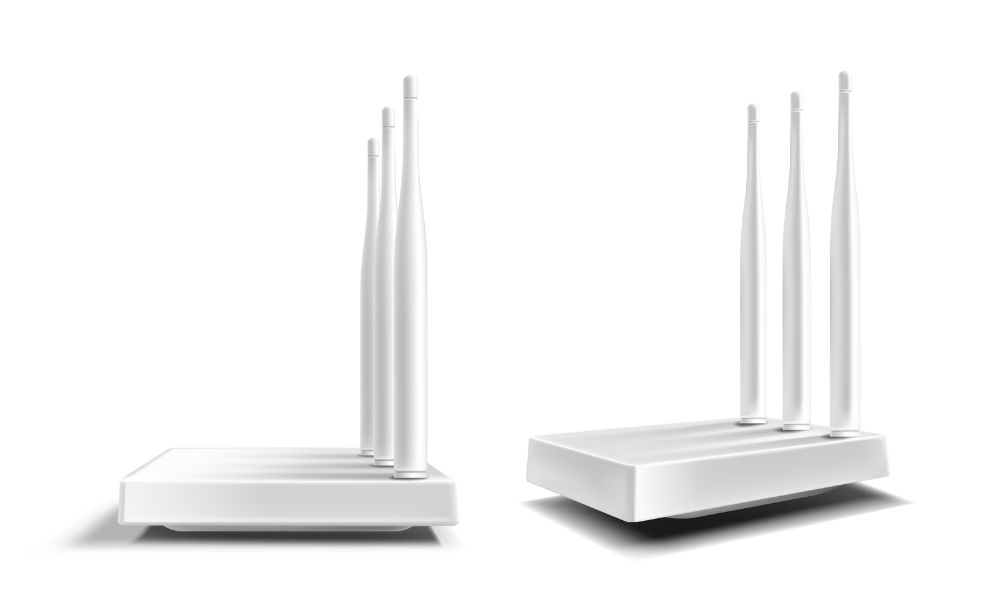
Healthcare organisations today rely heavily on digital systems to deliver efficient patient care. From electronic medical records and diagnostic imaging systems to telemedicine platforms and hospital management software, connectivity plays a critical role in daily operations. As hospitals expand across multiple locations and adopt cloud-based applications, managing network infrastructure has become increasingly complex for healthcare IT teams.
Cloud-managed routers are helping simplify this complexity by providing centralised visibility, remote management, and proactive monitoring across distributed healthcare networks.
The Growing Complexity of Healthcare Networks
Modern healthcare environments often include:
- Multi-location hospital chains
- Diagnostic centres
- Telemedicine units
- Mobile healthcare services
- Connected medical devices
Each location depends on stable connectivity to access central systems and cloud platforms. However, managing routers individually at every site requires significant IT effort. This is the case especially for hub-and-spoke model of healthcare where facilities are spread across locations with unreliable like lower tier cities and rural regions.
Healthcare IT teams must ensure uptime, security, and performance without always being physically present at each location.
Centralised Visibility Across Healthcare Facilities
Cloud-managed routers provide a single dashboard that allows IT teams to monitor network performance across all healthcare locations. Instead of relying on local troubleshooting or delayed user complaints, administrators can view real-time information such as connection status, bandwidth usage, and link health.
This visibility helps IT teams identify issues quickly and maintain consistent network performance across hospitals, clinics, and diagnostic centres. For healthcare environments where downtime can affect patient care, this proactive monitoring is especially valuable.
Faster Deployment for New Healthcare Locations
When hospitals expand to new facilities or diagnostic centres, setting up network infrastructure can be time-consuming. Cloud-managed routers simplify deployment through remote configuration and zero-touch provisioning.
Devices can be plugged in at new locations and configured centrally, reducing the need for on-site technical support. This allows healthcare organisations to scale their infrastructure more efficiently while maintaining consistent network policies.
For IT teams managing multiple facilities, this significantly reduces operational workload.
Supporting Telemedicine and Remote Healthcare Services
Telemedicine services require stable connectivity and secure communication between patients, doctors, and central hospital systems. Cloud-managed routers allow IT teams to monitor these connections remotely and ensure reliable performance.
If connectivity issues arise at a remote clinic or mobile healthcare unit, administrators can diagnose and resolve problems without travelling to the site. This improves service continuity and reduces downtime and truck rolls.
Reliable remote management is particularly useful in regions where healthcare facilities operate with limited IT staff.
Improving Security Management
Healthcare networks handle sensitive patient information and must maintain strong security controls. Cloud-managed routers with built-in firewall and VPN capabilities help ensure consistent security policies across all locations.
Automatic over-the-air (OTA) firmware updates and centralised configuration help protect healthcare systems from emerging security threats while reducing manual maintenance effort.
For healthcare IT teams, integrated security simplifies compliance and risk management.
Enabling Proactive Network Management
Instead of reacting to connectivity failures, cloud-managed networking enables IT teams to monitor performance trends and detect potential issues early. Real-time alerts and diagnostics allow faster response times and fewer service interruptions.
This proactive approach improves reliability across distributed healthcare environments.
Partner with Benlycos
As healthcare infrastructure becomes more connected and distributed, it becomes important to have networking solutions that combine reliability, security, and simplified management across multiple locations.
Benlycos Clover M2 Fusion Mini supports cloud-based monitoring, hybrid connectivity, and secure networking in a compact form factor suitable for clinics, diagnostic centres, hospital branches, and mobile medical units. With centralised visibility and remote configuration capabilities, it helps healthcare organisations maintain consistent connectivity while reducing IT overhead. Furthermore, our networking experts provide customisations based on your requirements and 24x7 support for any issues that may arise throughout the lifetime of the device.